Premium Phosphosite-Specific 7TM Antibodies
Your Resource for GPCR Research
Select Your Country of Delivery below

5-HT2C Receptor Antibodies

Close filters
No results were found for the filter!
NEW
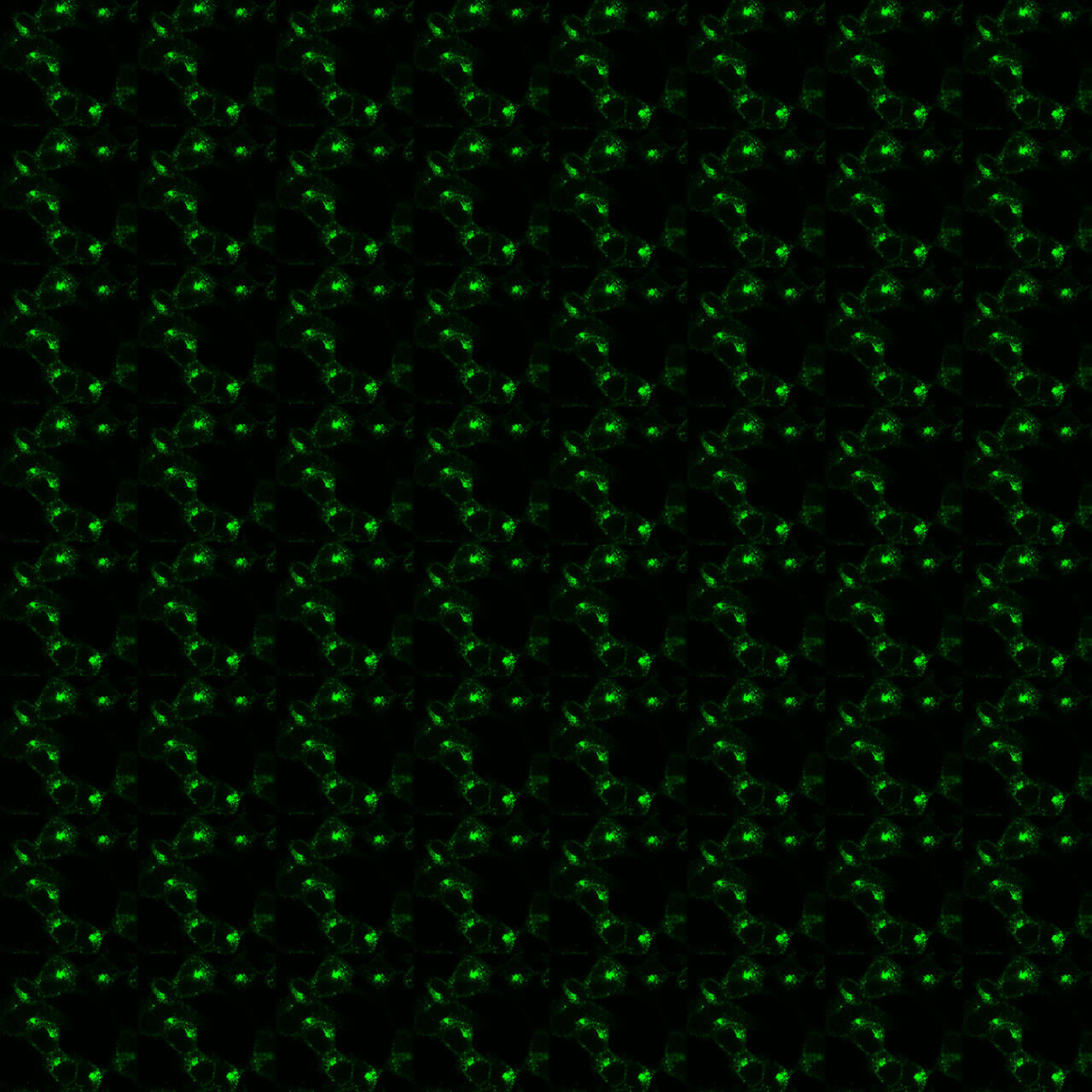
Immunohistochemical varification of 5-Hydroxytryptamine Receptor 2C antibody in Rat Striatum
5-HT2C (IHC-grade), 5-HT Receptor 2C Antibody
The 5-HT2C receptor antibody is directed against the distal part of the carboxyl-terminal tail of human 5-Hydroxytryptamine Receptor 2C (5-HT2C). The non-phospho-5-HT2C antibody can also be used to isolate and enrich 5-HT2C receptors...
$ 400.00 *

The 5-HT2C receptor is a G protein-coupled receptor (GPCR) that mediates the effects of serotonin (5-hydroxytryptamine, 5-HT) and plays a key role in regulating appetite, mood, cognition, and endocrine function. Expression of the 5-HT2C receptor is highest in the central nervous system, particularly in the hypothalamus, choroid plexus, hippocampus, and limbic regions, and is regulated by developmental processes, neuronal activity, epigenetic mechanisms, and extensive RNA editing. Upon activation, the receptor primarily couples to Gq/11 proteins, leading to phospholipase C activation, intracellular calcium mobilization, and protein kinase C signaling. RNA editing and alternative splicing further modulate receptor pharmacology and signaling efficacy, making the 5-HT2C receptor unique among serotonin receptors. Dysregulated 5-HT2C signaling has been implicated in obesity, depression, anxiety disorders, schizophrenia, and substance use disorders. Receptor activity is also regulated through ligand-induced desensitization and internalization following prolonged stimulation. Several clinically approved drugs target the 5-HT2C receptor, including lorcaserin, a selective agonist formerly approved for obesity treatment but later withdrawn due to safety concerns, while multiple antipsychotics and antidepressants exhibit indirect or antagonist activity at this receptor. This nomenclature refers to the human 5-HT4. For more information on 5-HT2C pharmacology please refer to the IUPHAR database. For further reading refer to:

Hoyer D, Clarke DE, Fozard JR, Hartig PR, Martin GR, Mylecharane EJ, Saxena PR, Humphrey PP. International Union of Pharmacology classification of receptors for 5-hydroxytryptamine (Serotonin). Pharmacol Rev. 1994 Jun;46(2):157-203. PMID: 7938165.

Barnes NM, Ahern GP, Becamel C, Bockaert J, Camilleri M, Chaumont-Dubel S, Claeysen S, Cunningham KA, Fone KC, Gershon M, Di Giovanni G, Goodfellow NM, Halberstadt AL, Hartley RM, Hassaine G, Herrick-Davis K, Hovius R, Lacivita E, Lambe EK, Leopoldo M, Levy FO, Lummis SCR, Marin P, Maroteaux L, McCreary AC, Nelson DL, Neumaier JF, Newman-Tancredi A, Nury H, Roberts A, Roth BL, Roumier A, Sanger GJ, Teitler M, Sharp T, Villalón CM, Vogel H, Watts SW, Hoyer D. International Union of Basic and Clinical Pharmacology. CX. Classification of Receptors for 5-hydroxytryptamine; Pharmacology and Function. Pharmacol Rev. 2021 Jan;73(1):310-520. doi: 10.1124/pr.118.015552. PMID: 33370241; PMCID: PMC7770494.

Bockaert J, Claeysen S, Compan V, Dumuis A. 5-HT(4) receptors, a place in the sun: act two. Curr Opin Pharmacol. 2011 Feb;11(1):87-93. doi: 10.1016/j.coph.2011.01.012. Epub 2011 Feb 20. PMID: 21342787.

The 5-HT2C receptor is a G protein-coupled receptor (GPCR) that mediates the effects of serotonin (5-hydroxytryptamine, 5-HT) and plays a key role in regulating appetite, mood, cognition, and... read more »
Close window
5-HT2C Receptor Antibodies

The 5-HT2C receptor is a G protein-coupled receptor (GPCR) that mediates the effects of serotonin (5-hydroxytryptamine, 5-HT) and plays a key role in regulating appetite, mood, cognition, and endocrine function. Expression of the 5-HT2C receptor is highest in the central nervous system, particularly in the hypothalamus, choroid plexus, hippocampus, and limbic regions, and is regulated by developmental processes, neuronal activity, epigenetic mechanisms, and extensive RNA editing. Upon activation, the receptor primarily couples to Gq/11 proteins, leading to phospholipase C activation, intracellular calcium mobilization, and protein kinase C signaling. RNA editing and alternative splicing further modulate receptor pharmacology and signaling efficacy, making the 5-HT2C receptor unique among serotonin receptors. Dysregulated 5-HT2C signaling has been implicated in obesity, depression, anxiety disorders, schizophrenia, and substance use disorders. Receptor activity is also regulated through ligand-induced desensitization and internalization following prolonged stimulation. Several clinically approved drugs target the 5-HT2C receptor, including lorcaserin, a selective agonist formerly approved for obesity treatment but later withdrawn due to safety concerns, while multiple antipsychotics and antidepressants exhibit indirect or antagonist activity at this receptor. This nomenclature refers to the human 5-HT4. For more information on 5-HT2C pharmacology please refer to the IUPHAR database. For further reading refer to:

Hoyer D, Clarke DE, Fozard JR, Hartig PR, Martin GR, Mylecharane EJ, Saxena PR, Humphrey PP. International Union of Pharmacology classification of receptors for 5-hydroxytryptamine (Serotonin). Pharmacol Rev. 1994 Jun;46(2):157-203. PMID: 7938165.

Barnes NM, Ahern GP, Becamel C, Bockaert J, Camilleri M, Chaumont-Dubel S, Claeysen S, Cunningham KA, Fone KC, Gershon M, Di Giovanni G, Goodfellow NM, Halberstadt AL, Hartley RM, Hassaine G, Herrick-Davis K, Hovius R, Lacivita E, Lambe EK, Leopoldo M, Levy FO, Lummis SCR, Marin P, Maroteaux L, McCreary AC, Nelson DL, Neumaier JF, Newman-Tancredi A, Nury H, Roberts A, Roth BL, Roumier A, Sanger GJ, Teitler M, Sharp T, Villalón CM, Vogel H, Watts SW, Hoyer D. International Union of Basic and Clinical Pharmacology. CX. Classification of Receptors for 5-hydroxytryptamine; Pharmacology and Function. Pharmacol Rev. 2021 Jan;73(1):310-520. doi: 10.1124/pr.118.015552. PMID: 33370241; PMCID: PMC7770494.

Bockaert J, Claeysen S, Compan V, Dumuis A. 5-HT(4) receptors, a place in the sun: act two. Curr Opin Pharmacol. 2011 Feb;11(1):87-93. doi: 10.1016/j.coph.2011.01.012. Epub 2011 Feb 20. PMID: 21342787.

Recently viewed