Immuno-Grade Somatostatin Receptor 3 Antibody
The somatostatin receptor subtype 3 (SST3, SSTR3) is a class A G protein-coupled receptor (GPCR) that is activated by the endogenous peptides somatostatin-14 and somatostatin-28. SST3 primarily couples to Gi/o proteins, resulting in inhibition of adenylyl cyclase, decreased intracellular cAMP production, modulation of ion channels, and activation of intracellular signaling pathways including MAPK and PI3K/Akt. Unlike the other somatostatin receptor subtypes, SST3 is highly enriched in the primary cilia of many neurons and epithelial cells, where it functions as a sensory signaling receptor. SST3 is expressed in the cerebral cortex, hippocampus, hypothalamus, kidney, pancreas, and gastrointestinal tract, and is also detected in several endocrine and neuroendocrine tumors. Functionally, SST3 contributes to the regulation of neurotransmission, cognition, memory, cell proliferation, apoptosis, and ciliogenesis, and accumulating evidence suggests an important role in maintaining primary cilium function and cellular homeostasis. Several subtype-selective SST3 agonists, including L-796,778 and BIM-23056, have been developed as experimental pharmacological tools to investigate SST3 biology, but none has advanced to clinical use. Currently approved somatostatin analogs such as octreotide, lanreotide, and pasireotide exhibit only moderate affinity for SST3, and no SST3-selective drug has yet been approved for therapeutic applications.

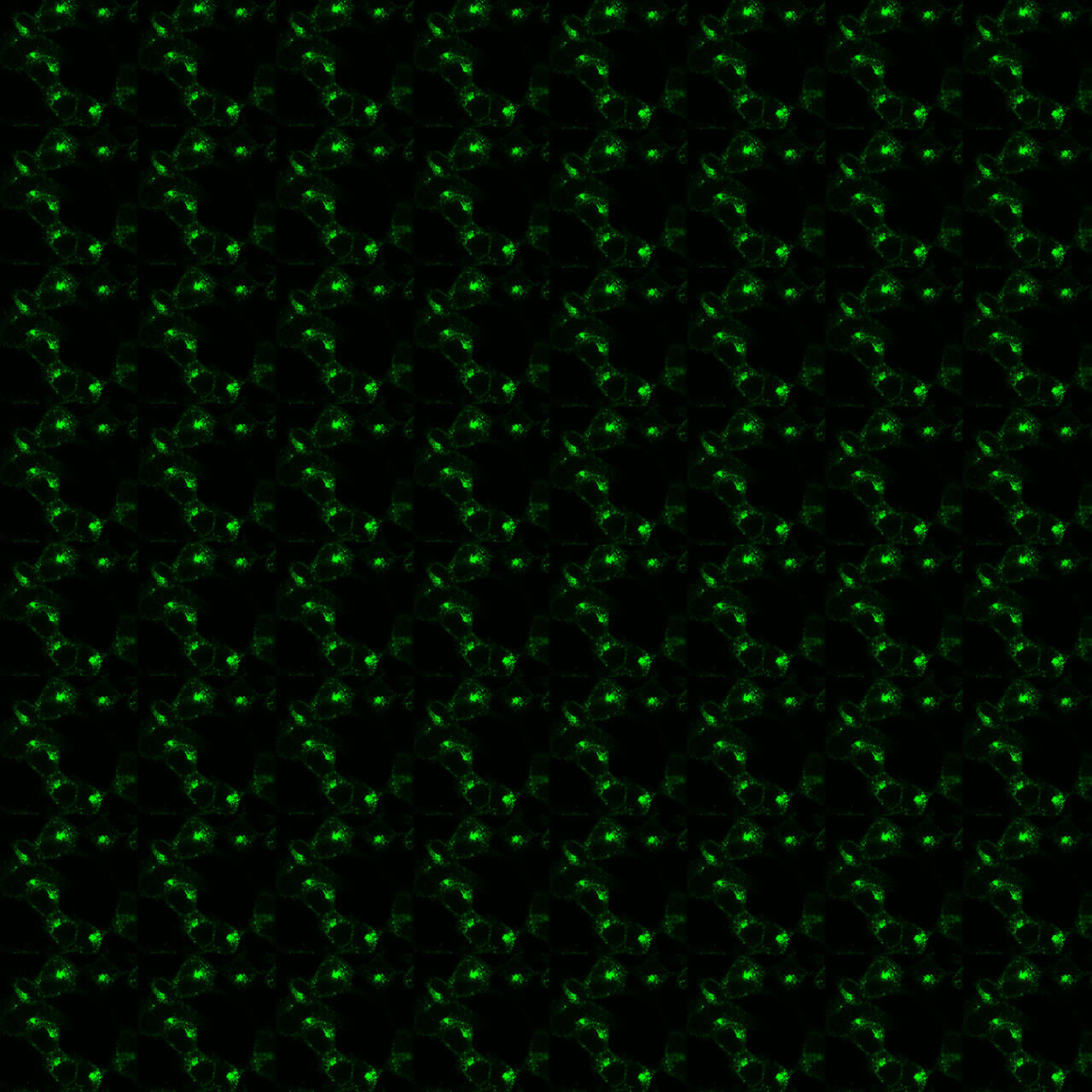
 SST3 [UMB5] (RM-IHC-grade), Somatostatin...
  SST3 (IHC-grade), Somatostatin Receptor 3 Antibody