GABAB2 Receptor Antibodies
GABAB2 (GABBR2) is one of the two essential subunits of the metabotropic GABAB receptor, a class C GPCR that mediates the slow inhibitory actions of GABA. Unlike GABAB1, GABAB2 does not primarily provide the orthosteric GABA-binding site but is essential for coupling the receptor complex to Gi/o proteins and for efficient signal transduction. GABAB2 is widely expressed throughout the central nervous system, including the cerebral cortex, hippocampus, thalamus, cerebellum, basal ganglia and spinal cord, where it is generally co-expressed with GABAB1. Functional GABAB receptors require heterodimerization of GABAB2 with GABAB1, and GABAB2 also contributes to trafficking of the receptor complex to the cell surface. Activation of the GABAB1/GABAB2 complex inhibits adenylyl cyclase, opens G-protein-gated inwardly rectifying potassium channels and inhibits voltage-gated calcium channels, thereby reducing neuronal excitability and neurotransmitter release. GABAB2 therefore plays an essential role in synaptic inhibition, neuronal network regulation, muscle tone, pain processing and seizure control. The principal therapeutic agonist is baclofen, a selective GABAB receptor agonist whose activity requires the functional GABAB1/GABAB2 heterodimer and which is widely approved for the treatment of spasticity. Other GABAB receptor agonists, including phenibut and sodium oxybate, also produce GABAB-mediated effects, although their pharmacology is not completely selective. No approved drug currently selectively targets GABAB2 independently of GABAB1, but positive allosteric modulators and other experimental compounds that enhance signaling through the GABAB1/GABAB2 complex have been developed. For more information on GABAB2 pharmacology please refer to the IUPHAR database. For further reading refer to:
Bettler B, Bowery NG, Cryan JF, Enna SJ, Farb DH, Foestl W, Kaupmann K, Pin JP. GABAB receptors in GtoPdb v.2025.3. IUPHAR/BPS Guide to Pharmacology CITE. 2025; 2025(3). Available from: https://doi.org/10.2218/gtopdb/F26/2025.3.

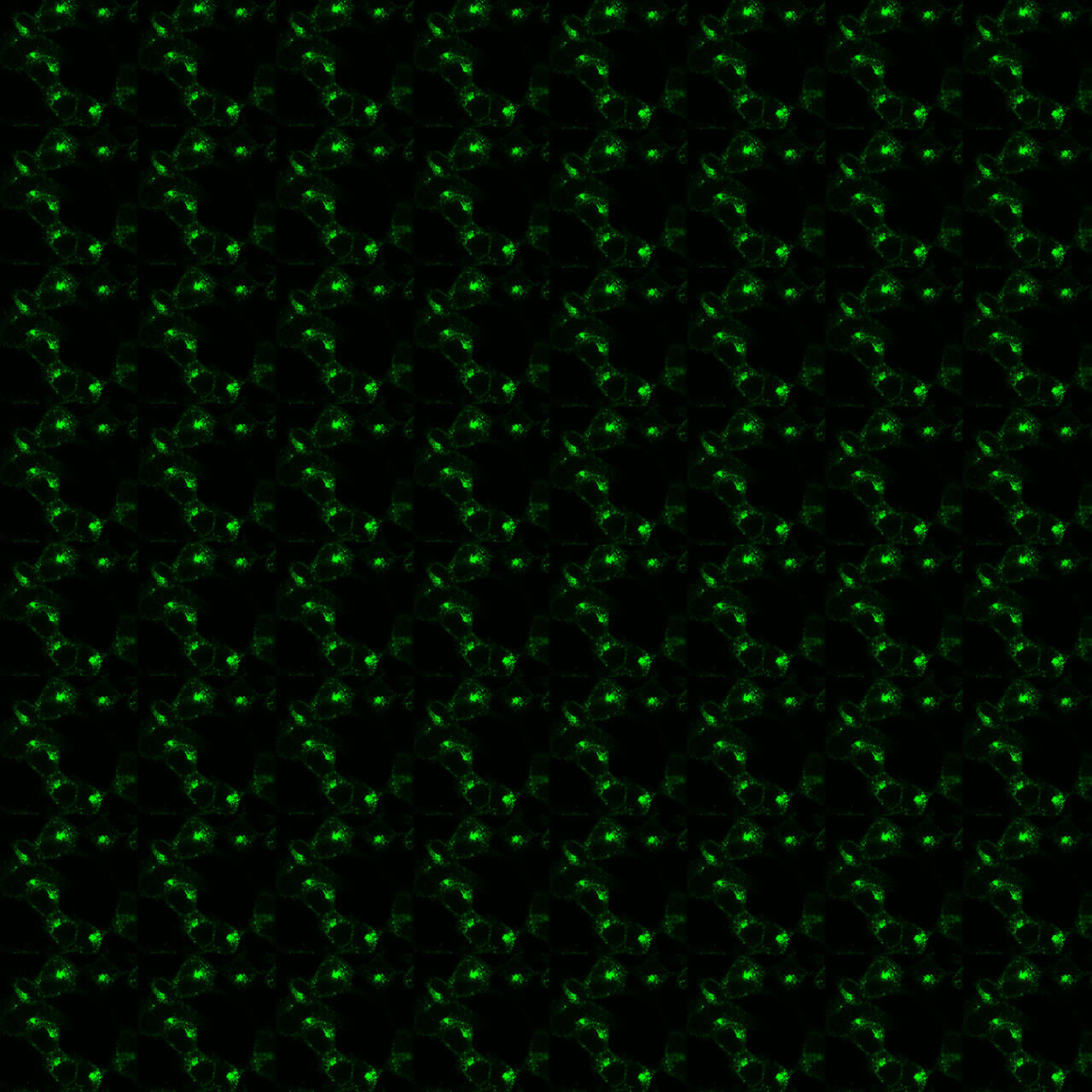
 GABAB2 [UMB24] (RM-non-phospho-GABAB Receptor 2...