Premium Phosphosite-Specific 7TM Antibodies
Your Resource for GPCR Research
Select Your Country of Delivery below

GPR149 Receptor Antibodies

Close filters
No results were found for the filter!
NEW
GPR149 (non-phospho), G protein-coupled Receptor 149 Antibody
GPR149 (non-phospho), G protein-coupled...
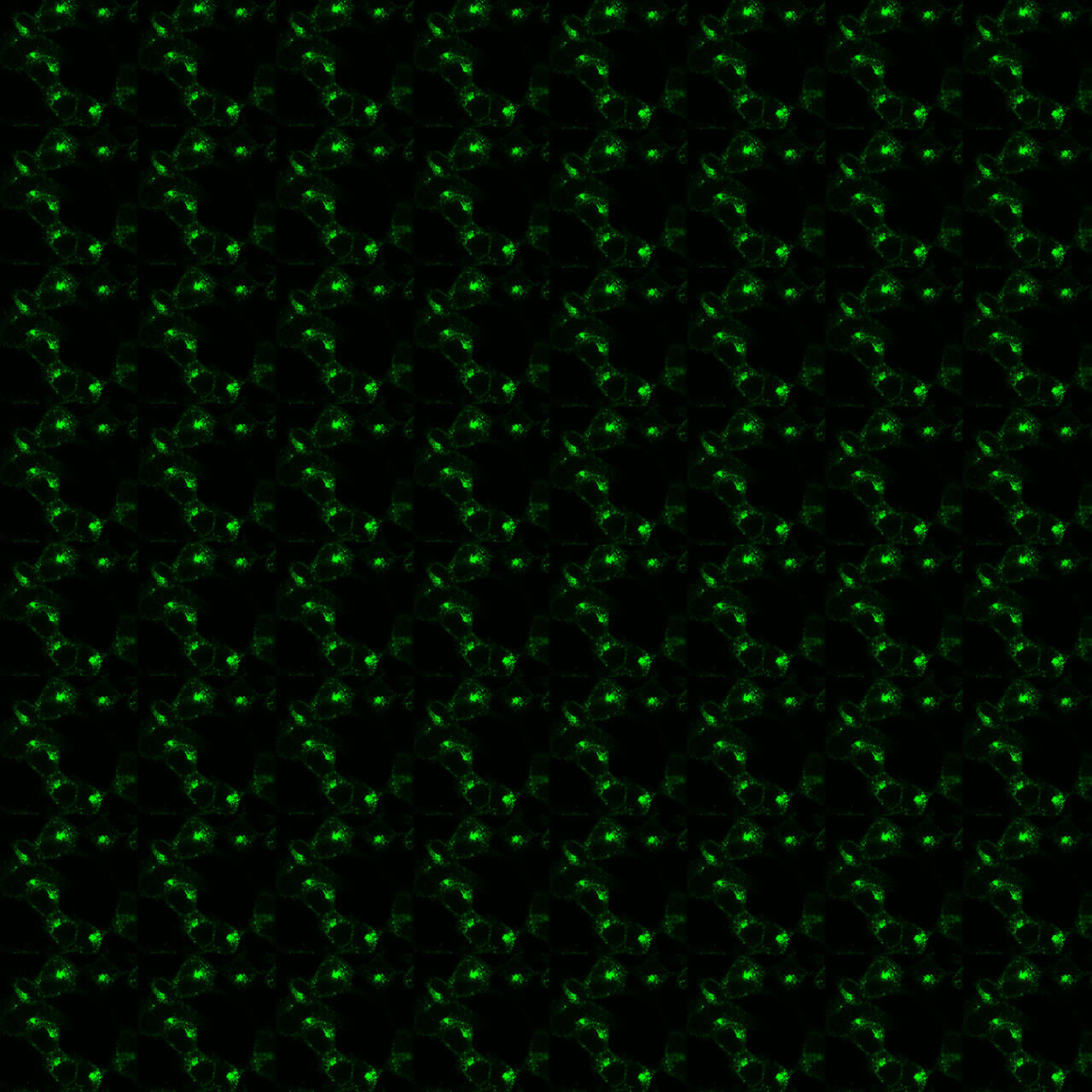
The non-phospho-GPR149 receptor antibody is directed against the distal end of the carboxyl-terminal tail of human GPR149. It can be used to detect total GPR149 receptors in Western blots independent of phosphorylation. The GPR149...
$ 400.00 *

GPR149, also known as PGR10 or IEDA, is an orphan class A GPCR with an unusual molecular structure, including a modified DRY motif and an exceptionally long C-terminal domain. The receptor remains poorly characterized pharmacologically, and no endogenous ligand or definitive G-protein coupling mechanism has yet been established. GPR149 is expressed predominantly in the central nervous system, including the hypothalamus, striatum and other brain regions involved in metabolic and neuroendocrine regulation, and is also expressed in the ovary, oocytes, gonads and glial cells. In the reproductive system, GPR149 appears to act as a negative regulator of folliculogenesis and ovulation, as GPR149-deficient mice show enhanced fertility and increased ovulation. In the CNS, GPR149 has been detected in oligodendrocyte precursor cells, where loss of the receptor promotes differentiation and accelerates myelination and remyelination. GPR149 has also been implicated in metabolic regulation, since receptor deficiency protects experimental animals against diet-induced obesity and improves insulin sensitivity. Recent evidence further suggests involvement of GPR149 in MAPK/ERK signaling, neuroendocrine regulation and potentially gut–brain communication. Despite these potentially important physiological functions, GPR149 remains an orphan receptor without a validated endogenous ligand and without established selective pharmacological tools. No approved drug or clinical-stage agonist or antagonist targeting GPR149 is currently available, although the receptor is increasingly being investigated as a potential target for obesity and metabolic disease, reproductive disorders and demyelinating diseases. For more information on GPR149 pharmacology please refer to the IUPHAR database. For further reading refer to:

Davenport AP, Alexander SP, Sharman JL, Pawson AJ, Benson HE, Monaghan AE, Liew WC, Mpamhanga CP, Bonner TI, Neubig RR, Pin JP, Spedding M, Harmar AJ. International Union of Basic and Clinical Pharmacology. LXXXVIII. G protein-coupled receptor list: recommendations for new pairings with cognate ligands. Pharmacol Rev. 2013 May 17;65(3):967-86. doi: 10.1124/pr.112.007179. PMID: 23686350; PMCID: PMC3698937.

Alexander SP, Battey J, Benson HE, Benya RV, Bonner TI, Davenport AP, Dhanachandra Singh K, Eguchi S, Harmar A, Holliday N, Jensen RT, Karnik S, Kostenis E, Liew WC, Monaghan AE, Mpamhanga C, Neubig R, Pawson AJ, Pin JP, Sharman JL, Spedding M, Spindel E, Stoddart L, Storjohann L, Thomas WG, Tirupula K, Vanderheyden P. Class A Orphans in GtoPdb v.2023.1. IUPHAR/BPS Guide to Pharmacology CITE. 2023; 2023(1). Available from: https://doi.org/10.2218/gtopdb/F16/2023.1.

GPR149, also known as PGR10 or IEDA, is an orphan class A GPCR with an unusual molecular structure, including a modified DRY motif and an exceptionally long C-terminal domain. The receptor remains... read more »
Close window
GPR149 Receptor Antibodies

GPR149, also known as PGR10 or IEDA, is an orphan class A GPCR with an unusual molecular structure, including a modified DRY motif and an exceptionally long C-terminal domain. The receptor remains poorly characterized pharmacologically, and no endogenous ligand or definitive G-protein coupling mechanism has yet been established. GPR149 is expressed predominantly in the central nervous system, including the hypothalamus, striatum and other brain regions involved in metabolic and neuroendocrine regulation, and is also expressed in the ovary, oocytes, gonads and glial cells. In the reproductive system, GPR149 appears to act as a negative regulator of folliculogenesis and ovulation, as GPR149-deficient mice show enhanced fertility and increased ovulation. In the CNS, GPR149 has been detected in oligodendrocyte precursor cells, where loss of the receptor promotes differentiation and accelerates myelination and remyelination. GPR149 has also been implicated in metabolic regulation, since receptor deficiency protects experimental animals against diet-induced obesity and improves insulin sensitivity. Recent evidence further suggests involvement of GPR149 in MAPK/ERK signaling, neuroendocrine regulation and potentially gut–brain communication. Despite these potentially important physiological functions, GPR149 remains an orphan receptor without a validated endogenous ligand and without established selective pharmacological tools. No approved drug or clinical-stage agonist or antagonist targeting GPR149 is currently available, although the receptor is increasingly being investigated as a potential target for obesity and metabolic disease, reproductive disorders and demyelinating diseases. For more information on GPR149 pharmacology please refer to the IUPHAR database. For further reading refer to:

Davenport AP, Alexander SP, Sharman JL, Pawson AJ, Benson HE, Monaghan AE, Liew WC, Mpamhanga CP, Bonner TI, Neubig RR, Pin JP, Spedding M, Harmar AJ. International Union of Basic and Clinical Pharmacology. LXXXVIII. G protein-coupled receptor list: recommendations for new pairings with cognate ligands. Pharmacol Rev. 2013 May 17;65(3):967-86. doi: 10.1124/pr.112.007179. PMID: 23686350; PMCID: PMC3698937.

Alexander SP, Battey J, Benson HE, Benya RV, Bonner TI, Davenport AP, Dhanachandra Singh K, Eguchi S, Harmar A, Holliday N, Jensen RT, Karnik S, Kostenis E, Liew WC, Monaghan AE, Mpamhanga C, Neubig R, Pawson AJ, Pin JP, Sharman JL, Spedding M, Spindel E, Stoddart L, Storjohann L, Thomas WG, Tirupula K, Vanderheyden P. Class A Orphans in GtoPdb v.2023.1. IUPHAR/BPS Guide to Pharmacology CITE. 2023; 2023(1). Available from: https://doi.org/10.2218/gtopdb/F16/2023.1.

Recently viewed